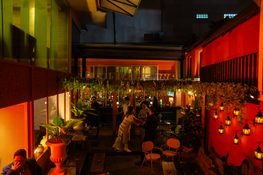
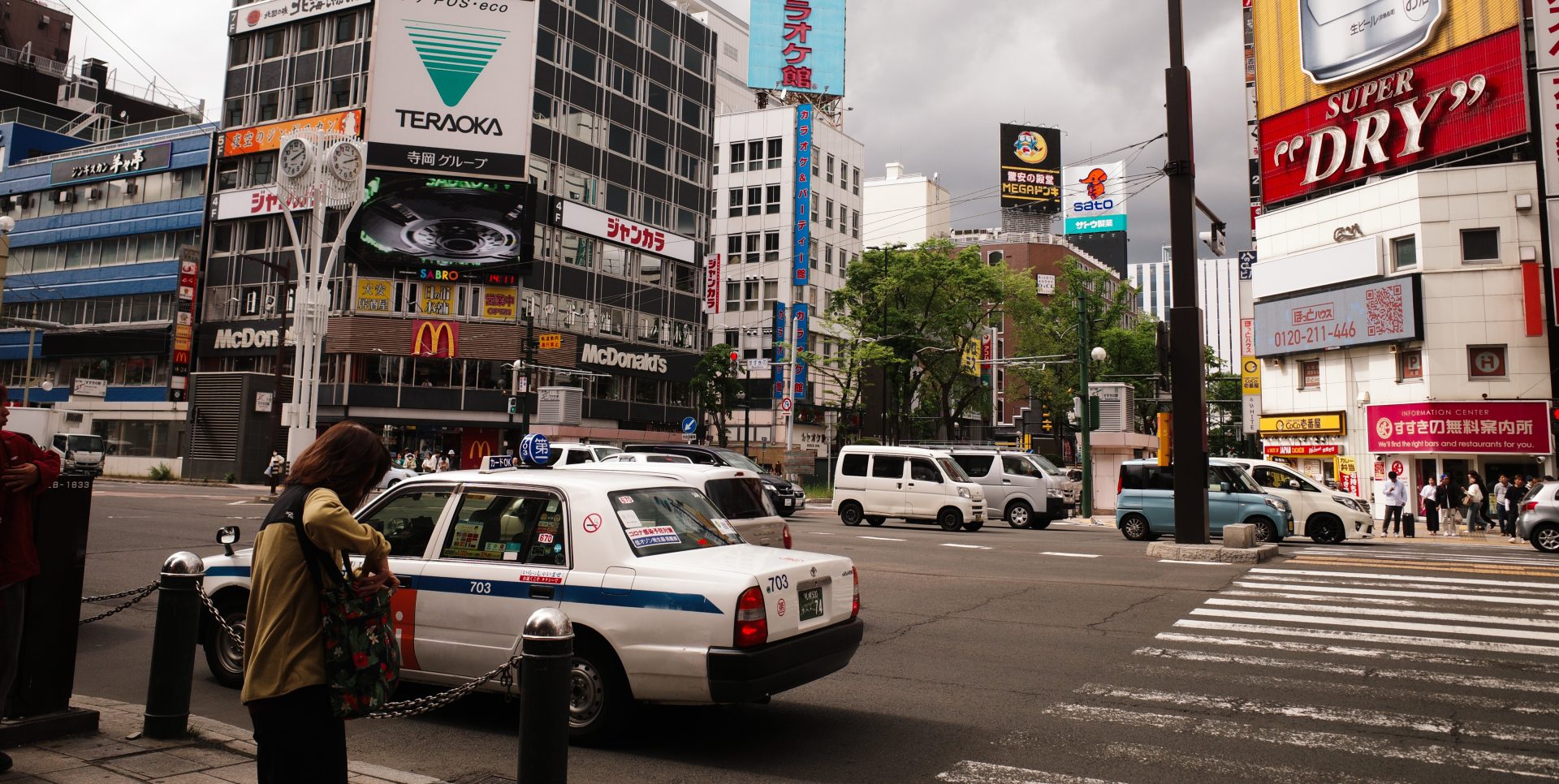
If you’re slashing your way through Yotei with Erika Ishii right now, chances are you’re thinking about Hokkaido–and how you work too much and how you’re not paid enough and how you need to take a vacation and engage in a bloody revenge spree with swords and smoke bombs. Or maybe that’s just us.
Now, Sapporo isn’t in the seventeenth century-set Ghost of Yotei for the persnickety reason that it didn’t exist until 1869 (not that it stopped Sapporo beer from getting in on the buzz). For Hokkaido, we needed somewhere fast, cool, and with a direct flight (about six hours). It’s known for its snow, but that’s not the only reason to go. Hokkaido’s national parks are some of the wildest in Japan, and Sapporo is known for its crisp temperatures, crispier beer, and miso ramen. Let’s get stuck in.
Sapporo is a city where you’ll find order and openness: wide, modern streets, youthful energy, and the kind of culinary signatures that punch above their weight (looking at you, miso ramen). For many, it’s a gateway to the slopes and scenery of Hokkaido. Here are eight ways to get the most out of Japan’s northern powerhouse—no skis required.
Head to Ramen Alley
Ganso Ramen Yokocho / Pakvipa Rimdusit
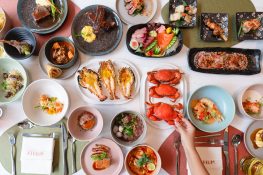
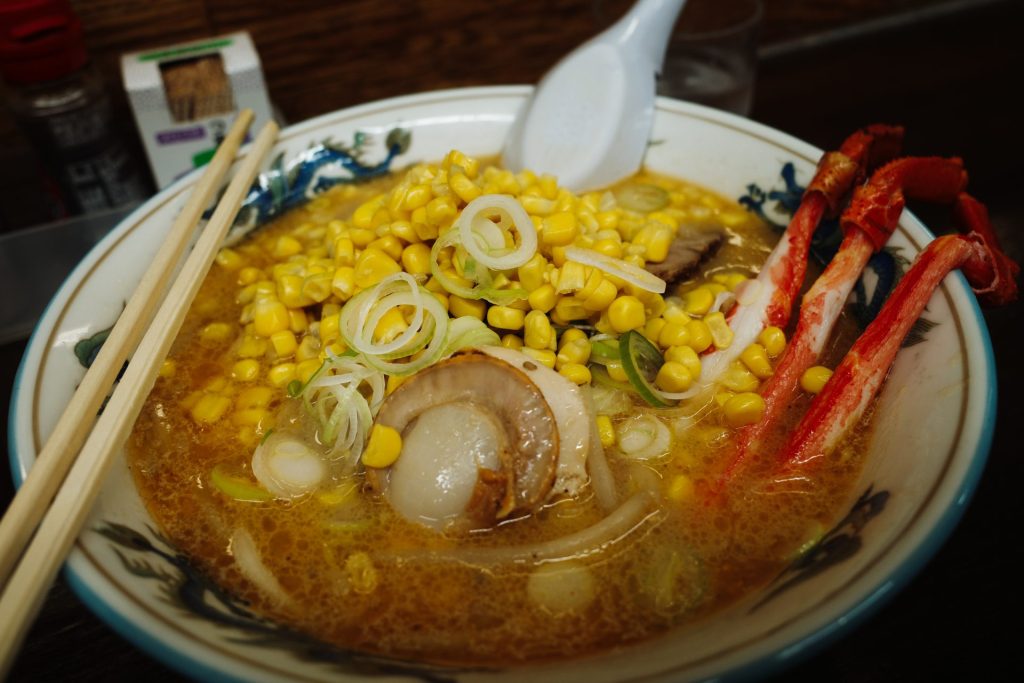
Sapporo is one of Japan’s big-league ramen cities, where you’ll find shops on nearly every corner—but none more iconic than Ramen Alley (Ganso Ramen Yokocho). Tucked in the heart of Susukino, the city’s (and northern Japan’s) busiest nightlife district, this narrow passage packs in 17 ramen joints, all slinging the city’s signature miso ramen. Come hungry, and don’t worry because there’s plenty to do before and after your bowl.
This is the birthplace of miso ramen, after all, so it’s worth diving in. Expect a rich, savory broth layered with that signature miso aroma, thick yellow egg noodles, and Hokkaido’s signature sweet corn. Want to level up? Add snow crab or local seafood for a full Hokkaido-in-a-bowl moment. Most shops offer similar menus, but every bowl has its own flavor, enough for any ramen geek to justify a crawl. Yes, you can have three in one night because meal times are not the boss of you.
Seafood gets a little extra
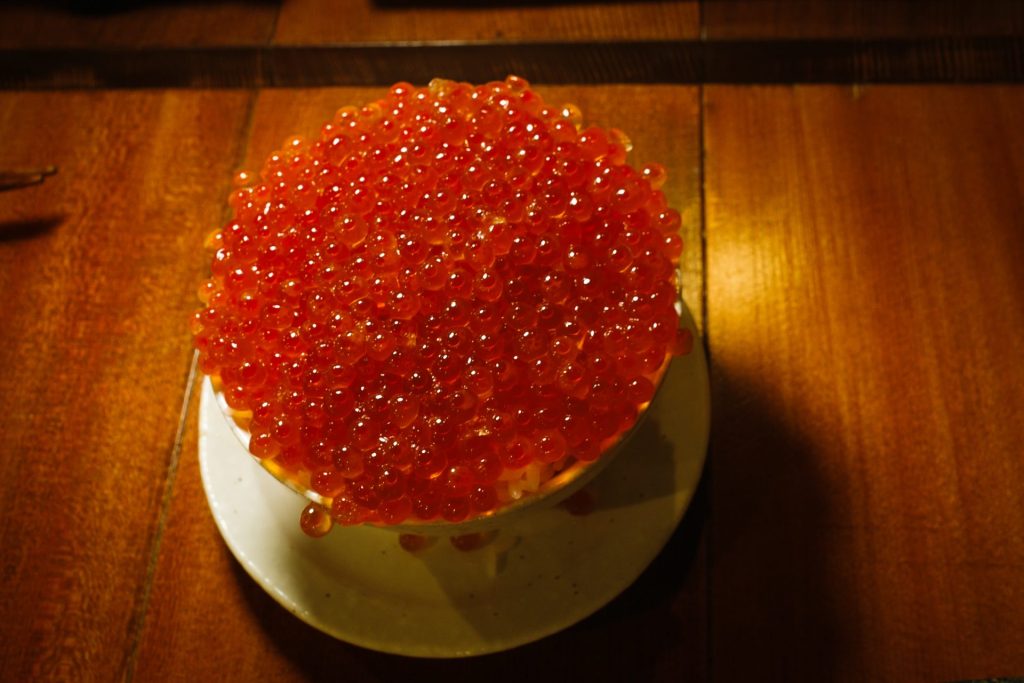
Umi Hachikyo / Pakvipa Rimdusit
Sapporo’s seafood reputation is well-earned, with Hokkaido’s cold waters turning out pristine snow crab, scallops, and some of the best salmon roe you’ll ever taste.
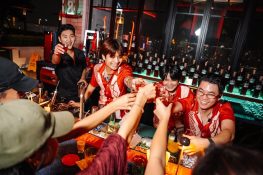
For a full-on sensory experience, book a table at Umi Hachikyo, an izakaya known for its signature tsukko meshi: a steaming bowl of rice topped with generous, theatrical mounds of ikura (salmon roe). The chef keeps pouring until the bowl overflows, cheered on by staff chanting “oisho!” with every scoop. Yes, it’s a bit of a show, but the ingredients here are the real deal: top-quality roe and seafood fresh from Hokkaido’s coast, prepped with just enough flair to let the flavors shine.
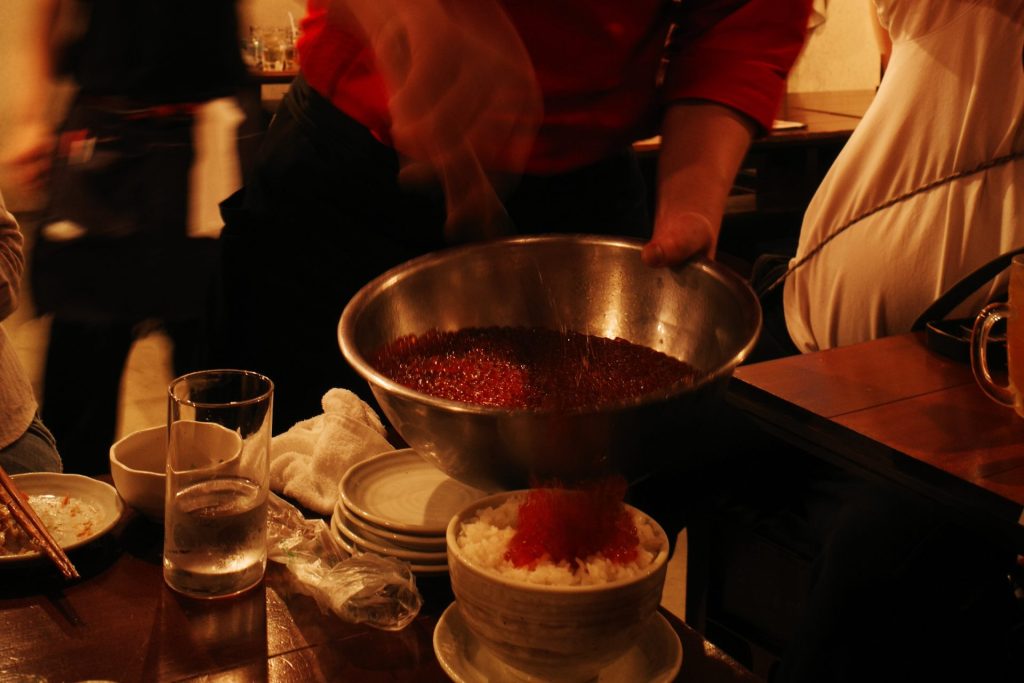
Umi Hachikyo / Pakvipa Rimdusit
The vibe? Cozy, rough-hewn, and nostalgic, styled after a traditional fisherman’s hut or banya. Others have copied the spectacle (even in Bangkok), but this is the original, and it fills up fast. Book ahead.
If you're leaning into sushi on your Sapporo trip but want to keep things casual and budget-friendly, kaiten sushi (conveyor belt sushi) is your best friend. Most spots serve generously sized portions at prices that won’t make you flinch.
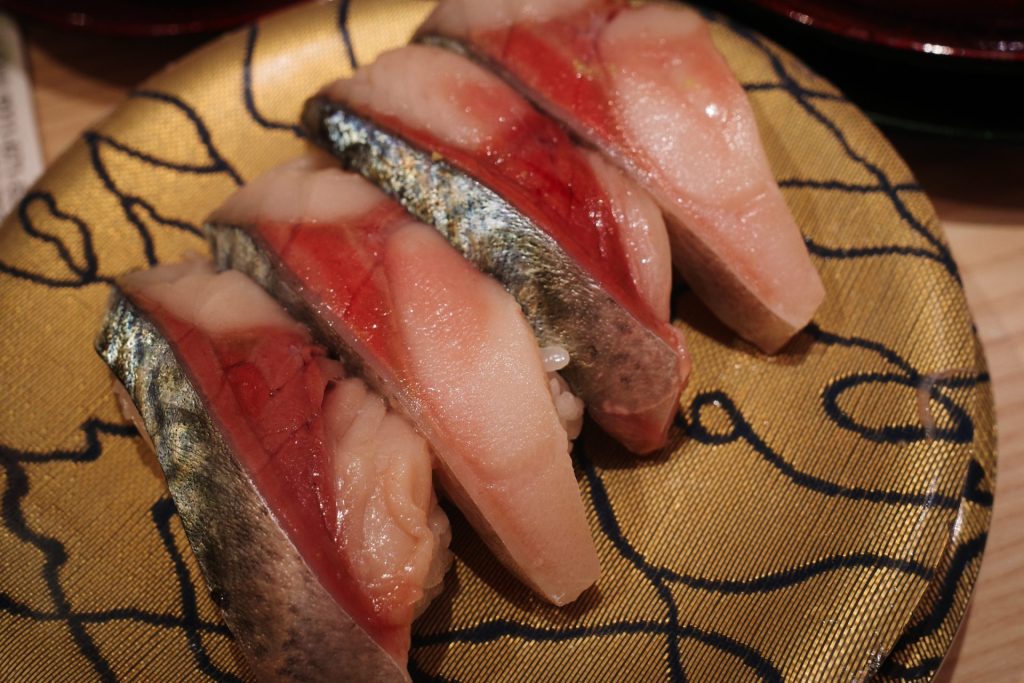
Novelle Sushi Cuisine Nagoyaka-tei / Pakvipa Rimdusit
One worth checking out is Novelle Sushi Cuisine Nagoyaka-tei—not the most famous name, which means shorter queues, but still a solid reputation with locals. With nine branches across the city, it’s known for offering a wide selection of seasonal fish at great value. Ideal for when you want quality without the ceremony.
The city that made beer Japan’s business
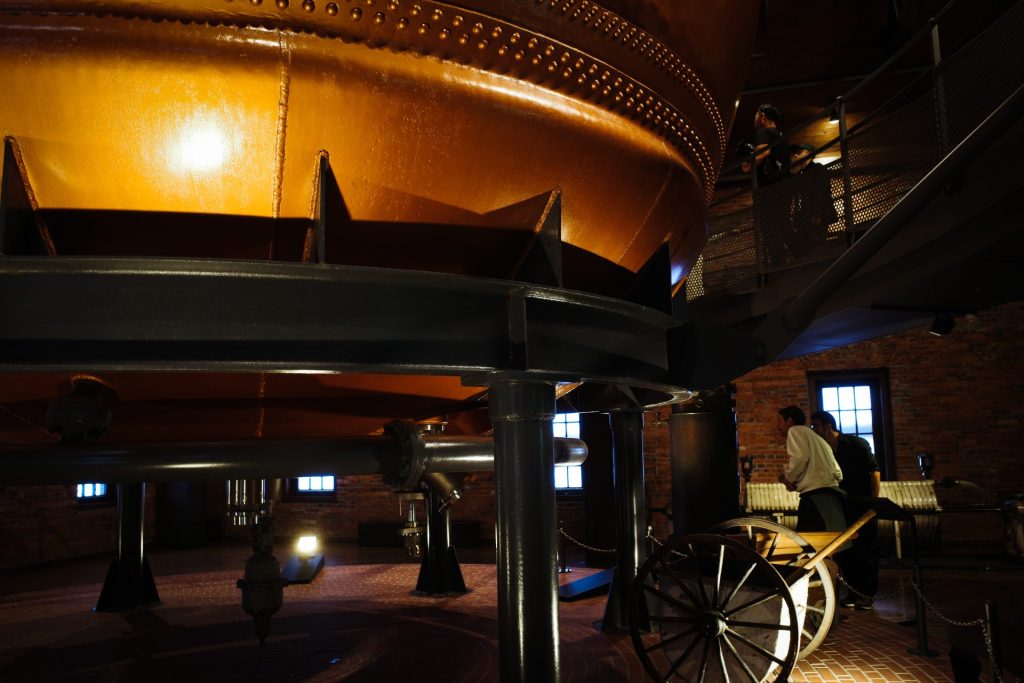
Sapporo Beer Museum / Pakvipa Rimdusit
Everyone who drinks beer knows Sapporo Beer. But the brand is bigger than your hangover. This city is the birthplace of lager in the country. And beyond the familiar, there are brews you’ll only find here.
For beer enthusiasts, the Sapporo Beer Museum is a must. Housed in a historic redbrick building, it may not be extravagant, but it’s packed with stories about how Sapporo Beer helped drive growth in both the region and Japan as a whole. Visitors can also sample historic brews like Kaitakushi, the predecessor of Sapporo and the first beer ever brewed in Japan, and the 1989 Kuro Label.
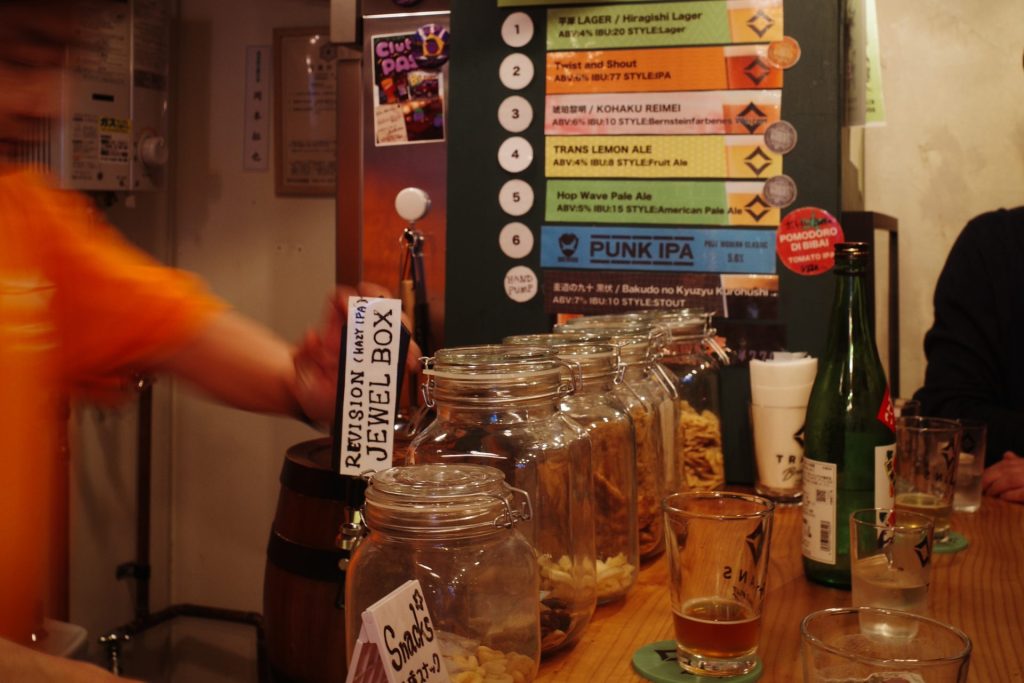
Trans Brewing / Pakvipa Rimdusit
If there’s one thing you can say about Bangkok, it’s that it’s hot. Thanks to its year-round cool climate, Hokkaido is ideal for growing hops, which has helped shape a compelling commercial and craft beer scene. Beer bars are scattered across the city, offering an impressive selection of local brews alongside other Japanese craft beers.
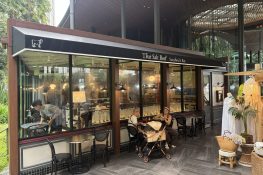
One worth seeking out is Tap Room Beer Kotan, which pours a variety of craft beers from local breweries as well as its own, made with hops grown in Kamifurano, a small Hokkaido town, and other locally sourced ingredients. Another standout is Trans Brewing, a stylish standing bar that serves its own beers alongside guest brews, some of which are award winners.
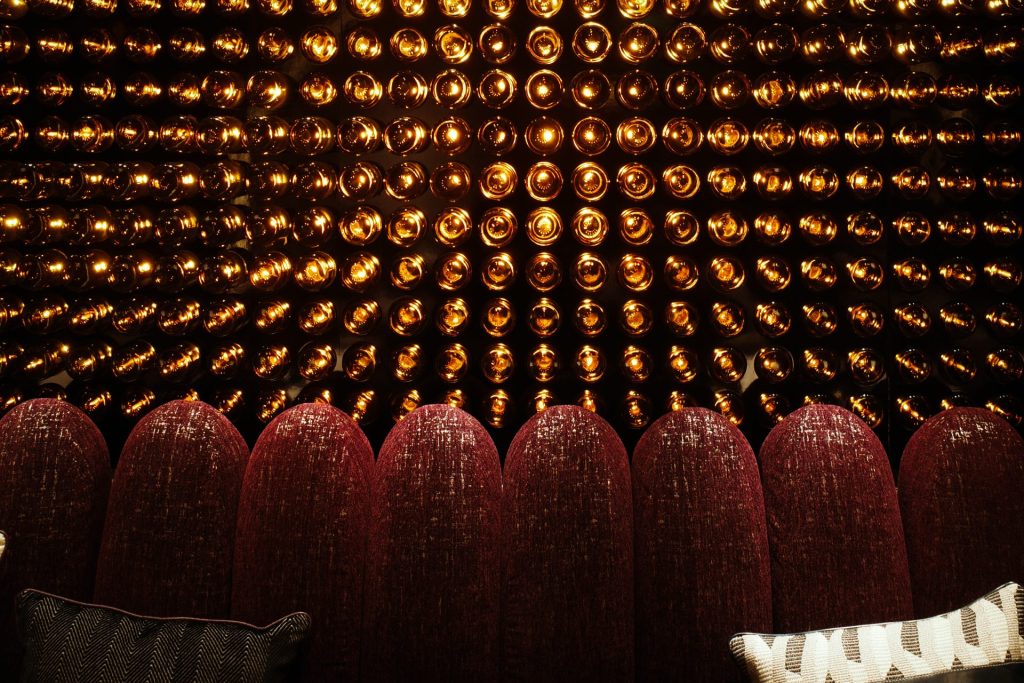
Hotel Sosei Sapporo MGallery / Pakvipa Rimdusit
Another must-visit for beer lovers is Hotel Sosei Sapporo MGallery, located just across from the Sapporo Factory Brick Building. The design pays tribute to the city’s brewing heritage, from a striking hop-shaped sculpture at the entrance to restaurant walls creatively decorated with beer bottles.
The hotel also offers a Sapporo Beer Tasting Experience featuring Sapporo Classic, sold only in Sapporo; Sapporo Sorachi, made with special hops first developed in 1984; and Kaitakushi, an unfiltered version of the historic recipe, which is rarely seen in lagers because of how easily it oxidizes.
Sapporo’s cookie factory is also a park
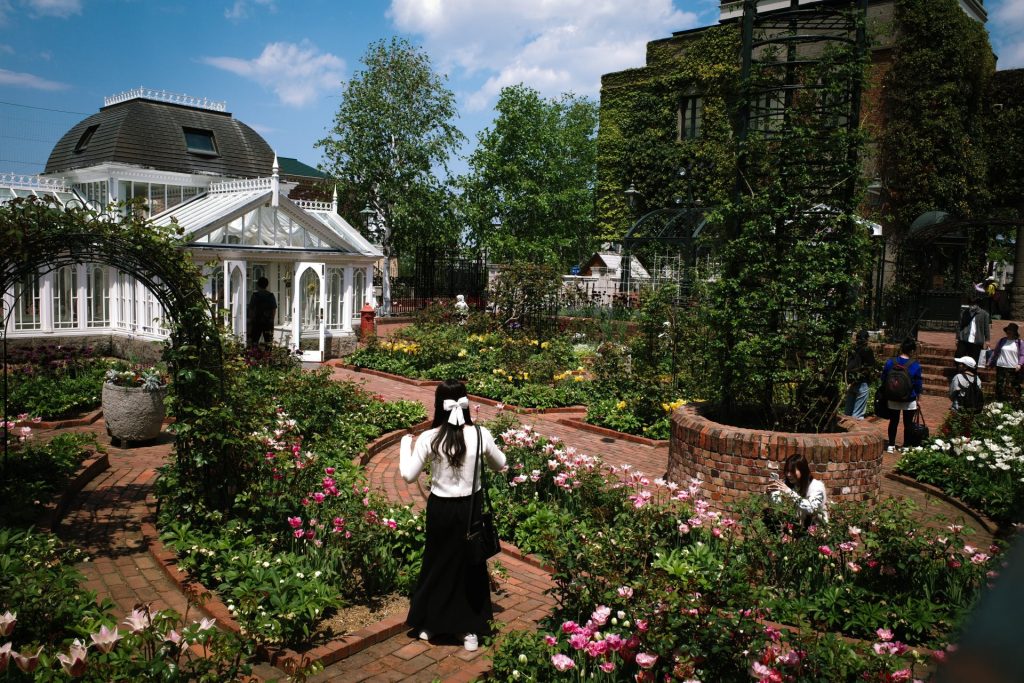
Shiroi Koibito Park / Pakvipa Rimdusit
Slightly buttery, soft and crunchy, delicately sweet, and pleasantly milky, Shiroi Koibito is a cookie born in Sapporo that has become one of Japan’s most beloved confectioneries. Inspired by European-style treats, it is essentially a langue de chat sandwich filled with white chocolate.
True to Japanese craftsmanship, the process of perfecting it was meticulous
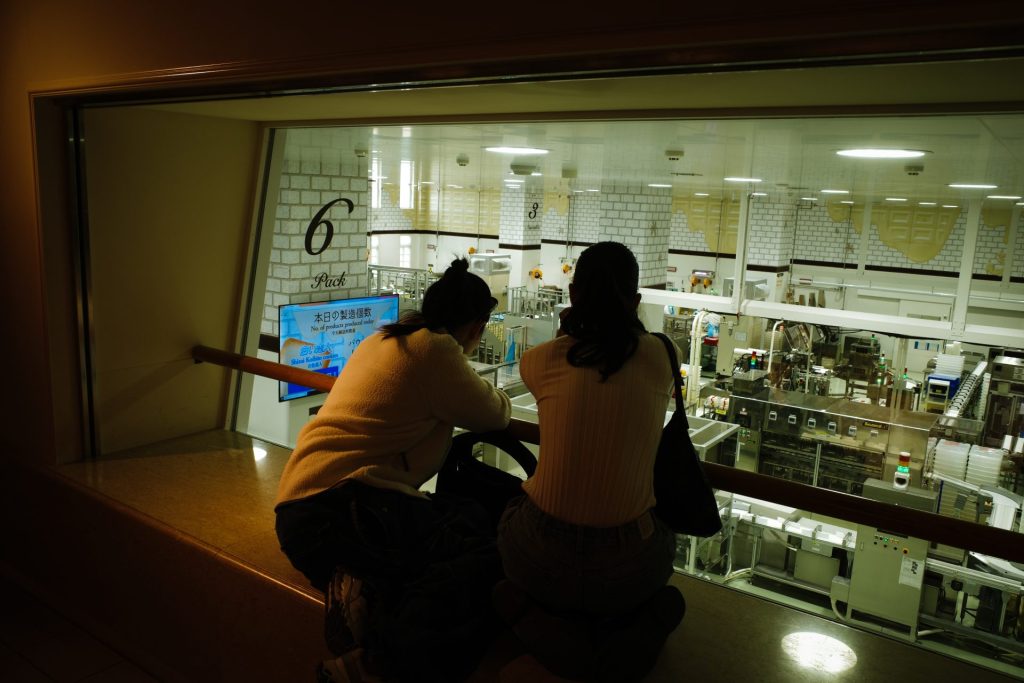
Shiroi Koibito Park / Pakvipa Rimdusit
This beloved sweet is produced by Ishiya Company Limited, whose history stretches back about 50 years. In 1995, the company opened the Ishiya Chocolate Factory, inviting visitors to watch the making of its signature treats.
It was later renamed and transformed into today’s Shiroi Koibito Park, a destination surrounded by vibrant flowerbeds and filled with interactive exhibits on the history of chocolate and the company, plus workshops, a restaurant, a café, and more.
Just minutes from Sapporo’s city center, the park offers a year-round experience that visitors of all ages can enjoy.
The Hokkaido Jingu Shrine
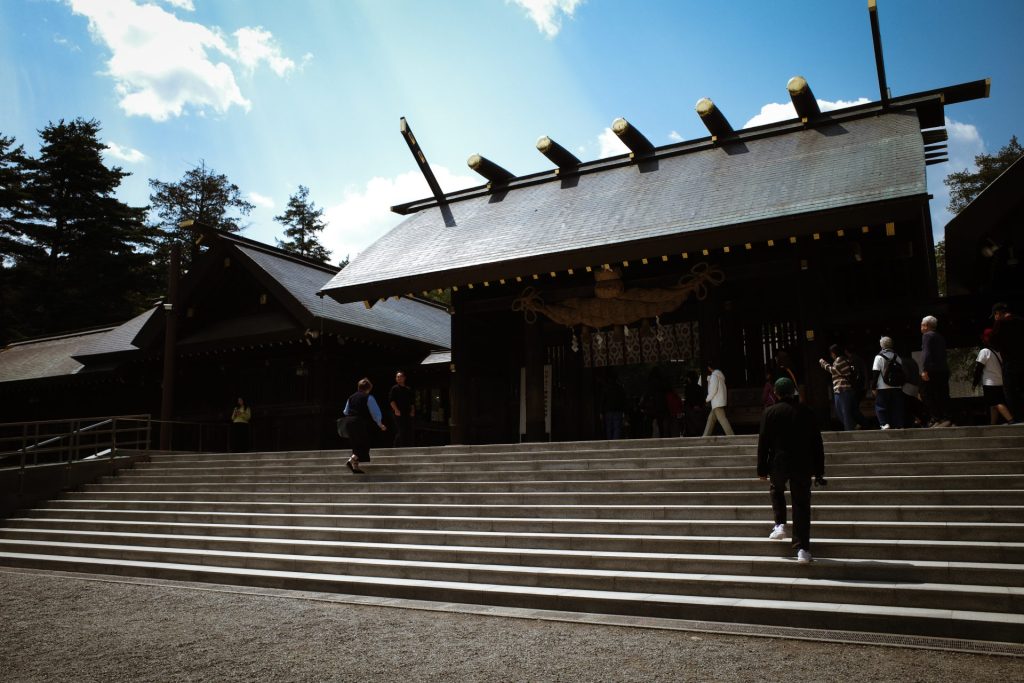
Hokkaido Jingu Shrine / Pakvipa Rimdusit
This shrine is unmissable, even if you’re not the superstitious type. Its elegant architecture blends seamlessly with the tranquil setting, which in the short spring is filled with cherry blossoms.
Founded during the Meiji Restoration under imperial decree, the shrine was built to enshrine three pioneering deities, and later the soul of the Emperor himself, establishing it as the region’s most important spiritual center.
Getting here is straightforward from Sapporo’s city center. Take the train to Maruyama Koen Station, then walk about 15 minutes or opt for a short cab ride.
Nightcap with a parfait and sake
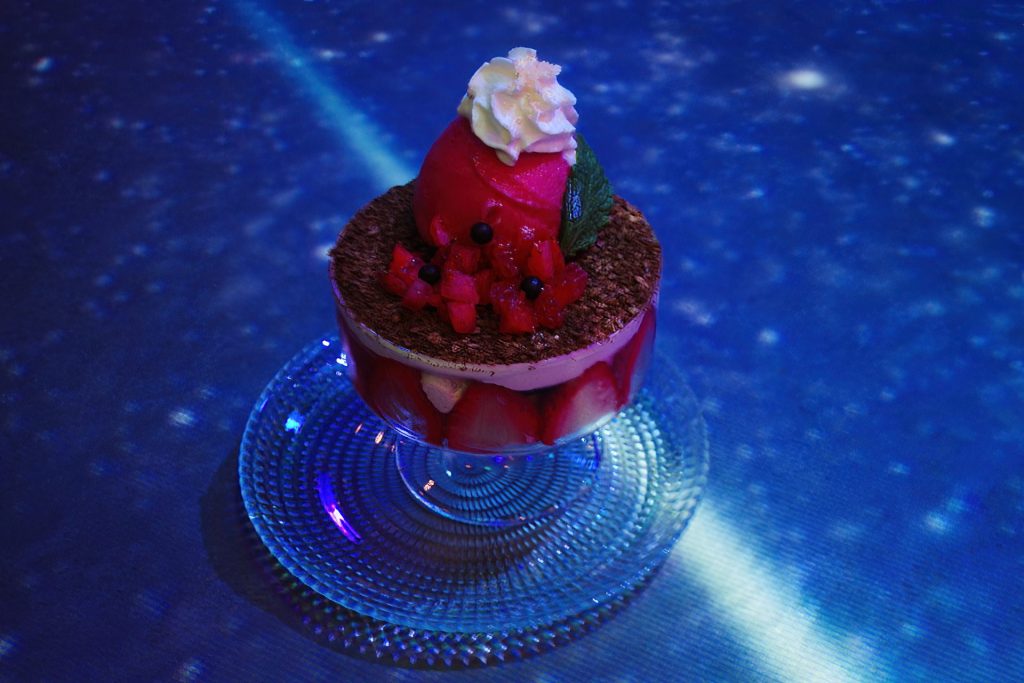
While people in many parts of Japan end a night out with ramen, in Sapporo the tradition is to finish with a luscious parfait. Most parfait shops here open at night, serving shime-parfait—literally “conclusion parfait”—with inventive twists that go far beyond a typical dessert course.
Instead of heavy ice cream, they are often made with soft serve and fresh cream, showcasing the natural richness and subtle vanilla-like sweetness of Hokkaido milk. Among the city’s most popular spots for this sweet nightcap are Parfait, Coffee, Sake, Sato Honten/Satodo Honten in the city center, where guests can enjoy both parfaits and sake alongside immersive light shows.
Odori Park is more than just a pretty stroll
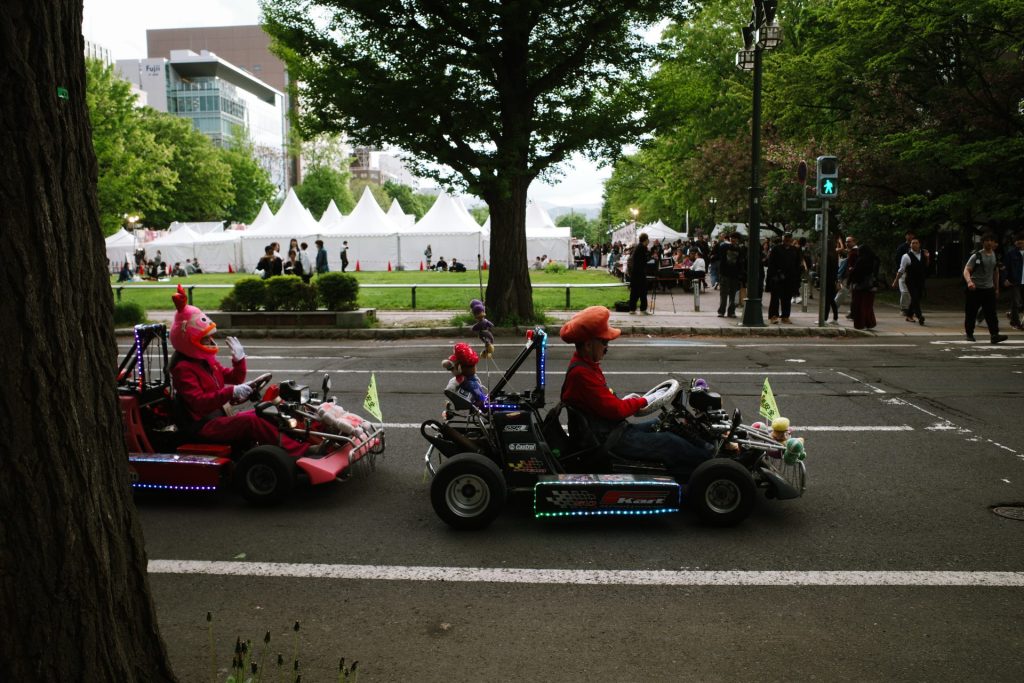
Odori Park / Pakvipa Rimdusit
Originally built as firebreaks more than a century ago, Odori Park has grown into one of Sapporo’s most important landmarks. It hosts many of the city’s biggest festivals and events throughout the year, including the famed Sapporo Snow Festival in February, the romantic Lilac Festival in May, the lively Odori Beer Garden in July, the delicious Sapporo Autumn Fest in September.
Lined with thousands of trees, the park is an ideal place to relax, but during events like the Lilac Festival in spring, it comes alive with the aromas of local food, the chatter of festival-goers, and the chance to sample regional wines. The park is also home to Sapporo’s iconic TV Tower.
Skyline views, streetcar rides, and a “Lover’s Sanctuary”
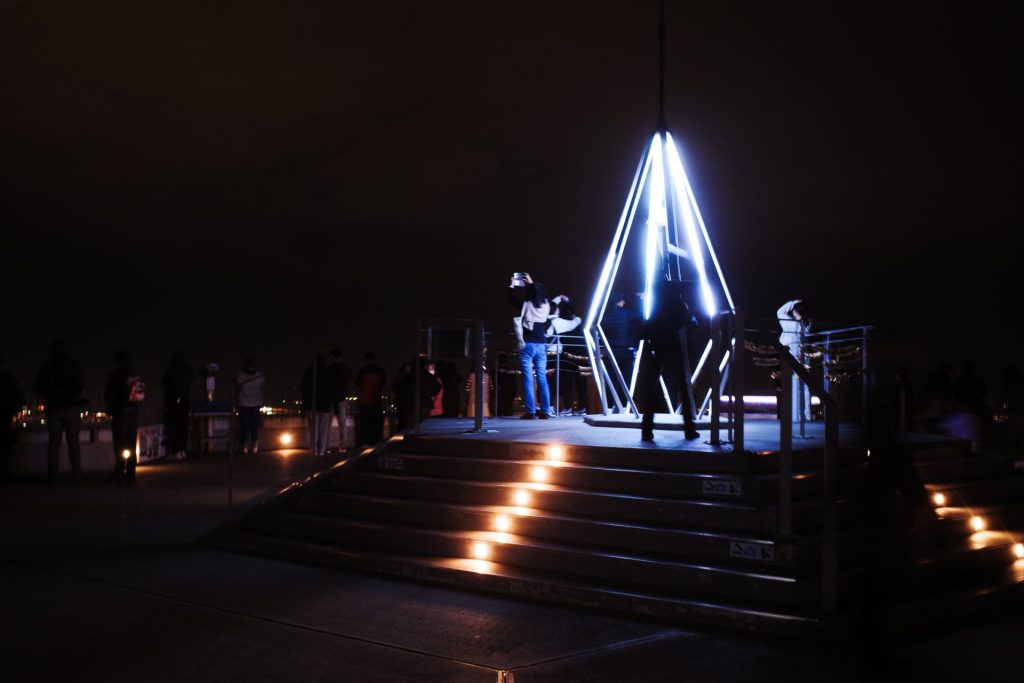
Mt. Moiwa / Pakvipa Rimdusit
Once inhabited by the Ainu, the indigenous people of Hokkaido, Mt. Moiwa sits in the heart of Sapporo. Today it is one of the city’s most well-traveled viewpoints, accessible via the Mt. Moiwa Ropeway.
From the observatory at the summit, visitors can take in 360-degree views of the city, day or night, and ring the Bell of Happiness, a popular spot for couples that has been officially certified as a “Lover’s Sanctuary.” If you like doing things the hard way, several hiking trails of varying lengths also wind up the mountain.
Getting there by public transportation is straightforward. Take the city’s only streetcar line from Susukino to Ropeway Iriguchi Station, then hop on the free shuttle bus. The shuttle operates from 5:15pm on weekdays and from 10:15am on weekends and holidays.
Where to stay?
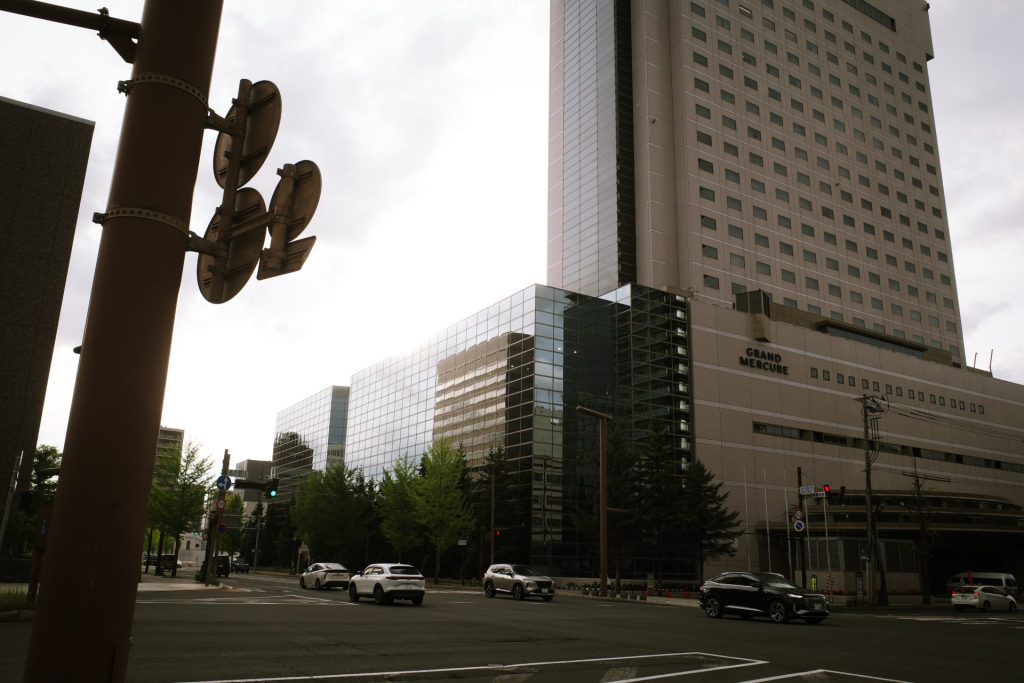
Grand Mercure Sapporo Odori Park / Pakvipa Rimdusit
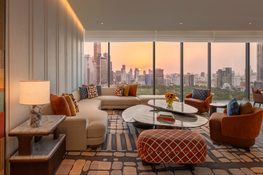
Thanks to its well-connected public transportation system and walkable city plan, Sapporo is very tourist-friendly. Still, choosing the right hotel is tricky. This isn’t Thailand. Hotels vary wildly and come at a steep price. Grand Mercure Sapporo Odori Park is an ideal choice if you seek convenience and practicality, and style all at once.
The hotel pampers guests with all-inclusive perks such as unlimited meals, free-flow drinks and snacks in the afternoon and evening, world-class comfort in its rooms, and a highly convenient location just steps from Odori Park. Major city landmarks are only minutes away, with Nishi-Juicchome Station just a three-minute walk from the property.
What now?
Well, Atsu, you head back home to Bangkok. To the heat. To the floods. To the traffic. To…where did we put the samurai sword?