Why make a movie about the conflict in Southern Thailand?
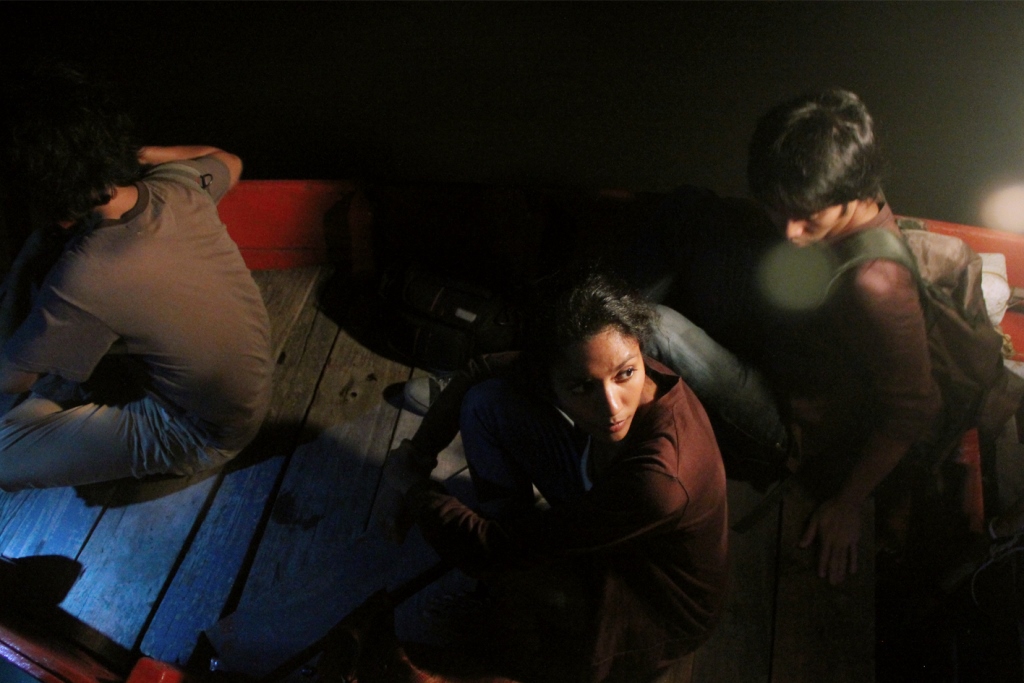
I regularly travelled to Pattani with my family when I was young, so I saw how beautiful it was before. When the conflict and violence began, I wondered what was really going on. There aren’t many movies depicting Southern Thailand, but it’s an important region—both its history and strategic location. After I talked with [director and Bangkok Post columnist] Kong Rithdee, who is also a Muslim, about this, we decided to co-write a screenplay together: a young Muslim lady making a road trip to the South and learning about the conflict.
Was it important that the Muslim character be played by a Muslim?
I wanted the actress to be Muslim, just like the characte so she could understand the complicated issues Muslims face in life. Luckily, I found Sasithorn “Heen” Panichnok.
Why use 16mm to shoot the film?
I used to shoot with film a lot when I was young; I have an affection for it. Film creates a mood of reflection and memory; it fits the road trip genre, too. But as we took six, seven years to finish the shooting, the film process grew increasingly painful. Technology changes really fast. As film has disappeared from the movie industry here, it’s really complicated to edit it. We had to digitize everything while trying to keep the look and feel.
Any particular difficulties about shooting in the South?
Luckily, we had locals helping us with the project, from the research all the way through shooting. I found that people down there were really nice; but officials often kept us in their sights while we were shooting. I know that they were concerned about our safety but actually, they are usually the target of attackers, so we were concerned that their visits were pretty risky for us, too.
How do you portray a conflict that is this complex?
Honestly, after years of back and forth to the South, I still don’t understand what is going on. But I can clearly say it’s not about religion at all. I can see distrust towards officials. My movie doesn’t really talk about the conflict but I try to say how we should solve the conflict. I believe that before outsiders try to fix the problem, they should listen to insiders. Bangkokians believe the South is dangerous. When I was shooting the movie, I remember driving from the South back to Bangkok. On that day, CentralWorld was burnt down. It really raised questions in my mind as to which place is more dangerous, the South or Bangkok? It’s about which angle you see the problem from.
What is the status of indie cinema in Thailand?
The bad world economy really hit the indie film industry. While mass market films are still going strong, indie moviemakers are struggling. Both young and veteran directors all head to festivals to find money which is different from the past, when veteran directors would get support from other channels. The freshness of indie movies from South America or even our neighbors like Myanmar and Cambodia is really a challenge to Thai indie cinema, too. We need to advance ourselves. We can’t just try to make movies. We also need to keep up with a world where people have so many options other than just going to the cinema.
Check out the trailer for The Island Funeral: